Week 2 Fantasy Football Movers: What Changed After Opening Weekend
Week 1 revealed new roles, injury replacements, breakout usage, and a few real warning signs. Here is what changed in the locked Week 2 model—and what should not be overreacted to.
Model notes, player context, and practical fantasy football strategy for the decisions that move a roster.

Week 1 revealed new roles, injury replacements, breakout usage, and a few real warning signs. Here is what changed in the locked Week 2 model—and what should not be overreacted to.
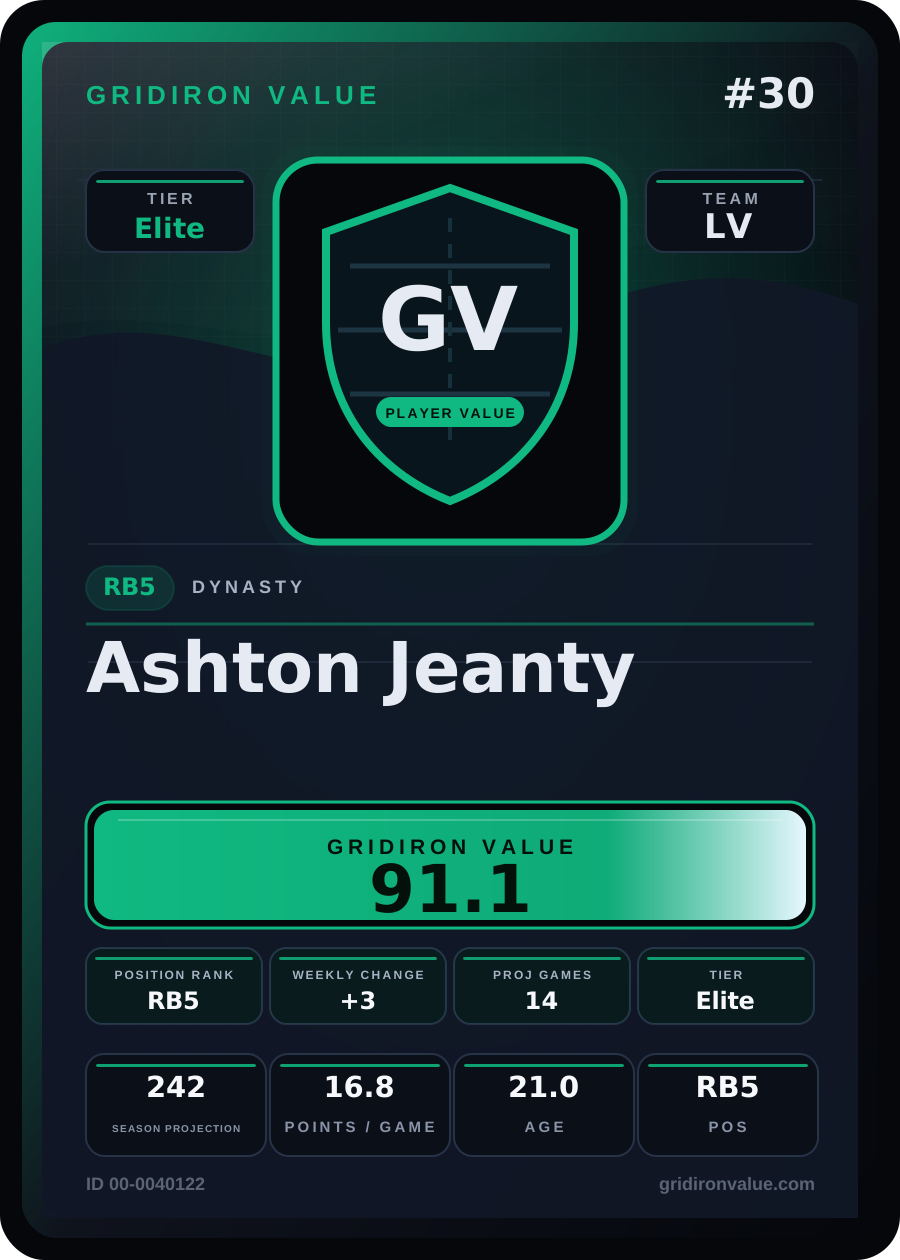
A dynasty trade is not fair just because two calculators agree. Team direction, tier breaks, and market liquidity decide whether the deal helps.
Read story
Every Week 1 game, the players who won fantasy matchups, and the projected starters whose opening performances fell short.
Read story
Football is almost back. Here is what we are shipping for the 2026 season, what the historical testing says, and why Model 1.0 is the release that brings it together.
Read storyRookie drafts are won before the pick clock starts. The edge is knowing your tier cliffs and when another manager values the pick more than you do.
Read story
The best league power rankings do more than crown the top roster. They reveal who should buy, who should sell, and where leverage exists.
Read story
Waivers are where roster context matters most. The best add is the player who solves your problem, not always the player with the loudest box score.
Read storySuperflex is not one-QB with a small quarterback bonus. It changes replacement value, trade leverage, and how managers should consolidate assets.
Read storyProjections and rankings answer different questions. Using the wrong one is how managers turn good data into bad decisions.
Read story
Startup drafts reward managers who can stay flexible while the room overreacts. The plan is not a script; it is a set of rules for value.
Read storyNo stories match that search yet.